What is a Vasectomy?
A vasectomy is a simple surgery for men who want permanent birth control. It is a safe and effective way to prevent pregnancy. During the procedure, a doctor blocks or cuts the tubes that carry sperm. Because of this, sperm cannot reach the semen. As a result, pregnancy cannot happen. Many men choose vasectomy as a long-term contraception method. It is one of the most reliable options for permanent birth control.
How Does Vasectomy Work?
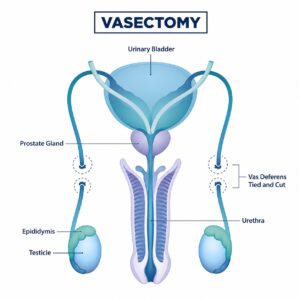
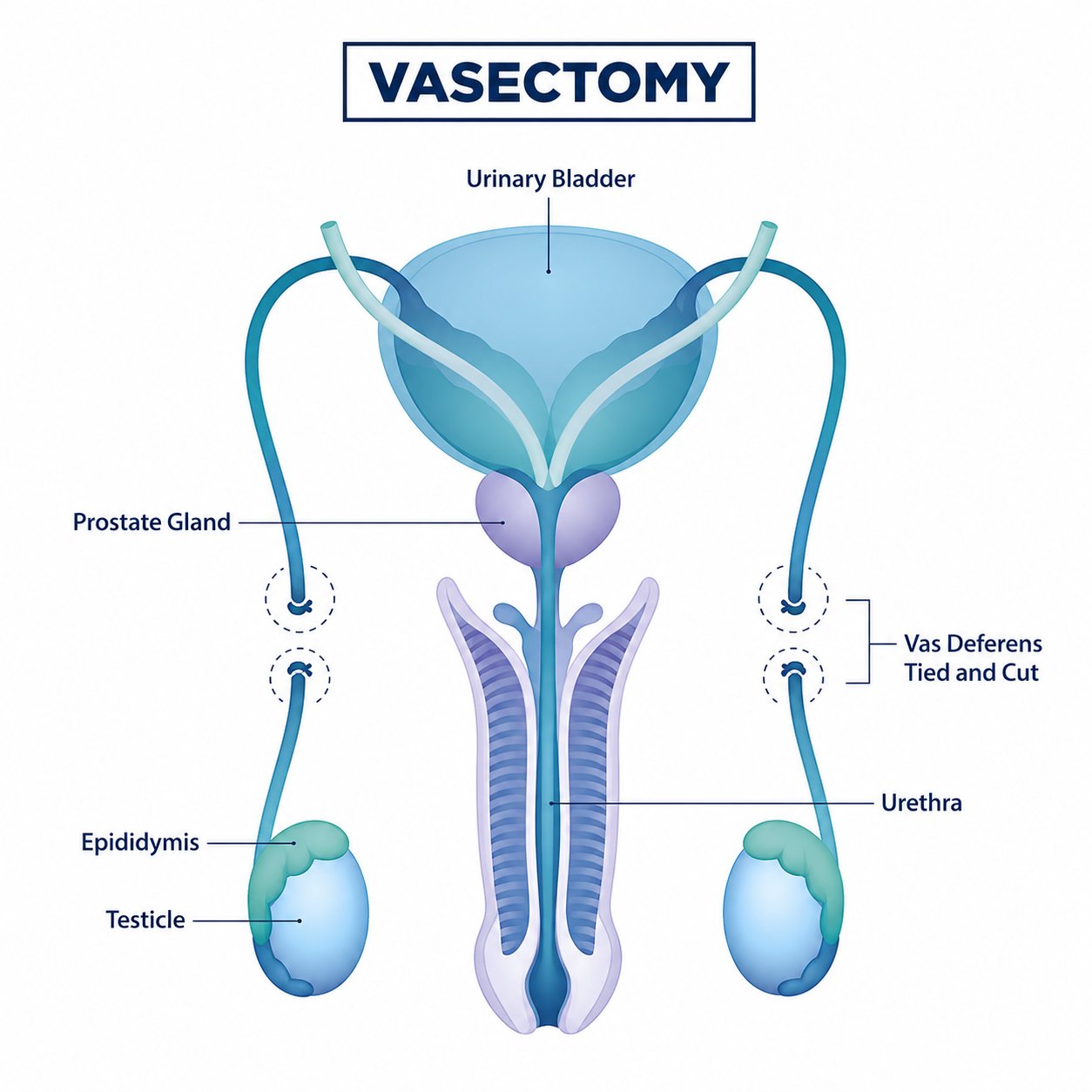
During a vasectomy, the doctor closes the vas deferens. These are the tubes that move sperm from the testicles to the penis. After the tubes are blocked, sperm cannot mix with semen. Therefore, semen still leaves the body during ejaculation, but it does not contain sperm. This means a man cannot make a woman pregnant after a successful vasectomy.
Benefits of Vasectomy
There are many reasons why men choose vasectomy as a permanent contraception method. Some key benefits include:
Additionally, vasectomy does not affect hormone levels or masculinity.
Safety and Effectiveness
Vasectomy is over 99% effective at preventing pregnancy, according to the Centers for Disease Control and Prevention (CDC). Most men recover quickly and have no serious side effects. Although rare, some men may feel mild pain or swelling after the procedure. However, these symptoms usually go away within a few days. Vasectomy is considered one of the safest permanent contraception methods for men.
The Vasectomy Procedure: What to Expect
Before the procedure, your doctor will explain each step. Usually, vasectomy is done in a clinic or doctor’s office. The doctor uses local anesthesia to numb the area. Next, a small cut or puncture is made in the scrotum. The doctor then blocks or cuts the vas deferens. The entire process takes about 20 to 30 minutes. Most men go home the same day. Because the procedure is quick, you can return to normal activities soon.
Recovery and Aftercare
After a vasectomy, you may feel mild discomfort or swelling. To help with recovery, follow these tips:
Most men return to work within a few days. However, it is important to use another form of birth control until your doctor confirms there is no sperm in your semen.
Common Myths and Facts
There are many myths about vasectomy. Let’s look at the facts:
Who Should Consider Vasectomy?
Vasectomy is a good choice for men who:
However, it may not be right for men who are unsure about having children in the future. Therefore, talk to your doctor before making a decision.
Frequently Asked Questions
Prevention and Lifestyle Guidance
After a vasectomy, you do not need to worry about daily birth control. However, vasectomy does not protect against sexually transmitted infections (STIs). Therefore, use condoms if you are at risk of STIs. Maintain a healthy lifestyle for overall well-being. If you have questions, talk to your healthcare provider for advice.
Consult Dr. Sabir to discuss if vasectomy is right for you.