What Is Appendicitis?
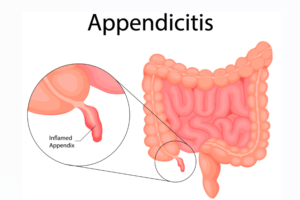
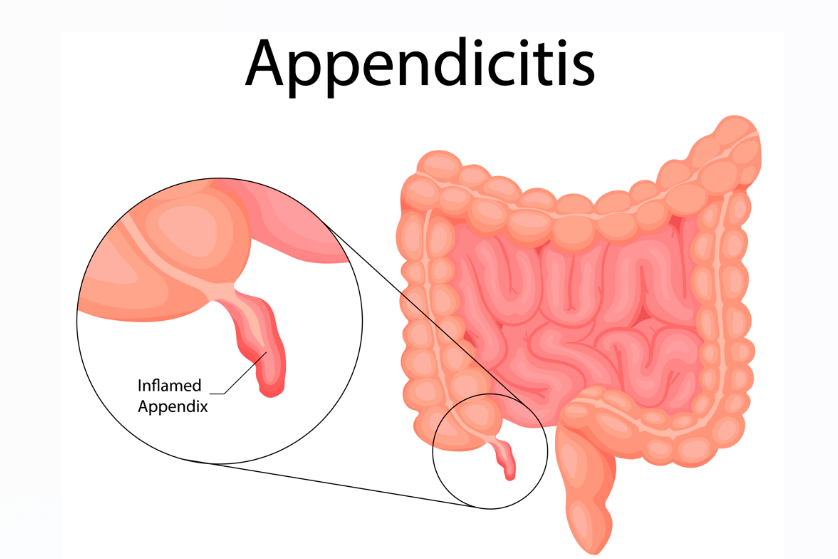
Appendicitis is a sudden swelling of the appendix. The appendix is a small, tube-shaped organ in your lower right belly. Although its exact purpose is unclear, it can become blocked and infected. When this happens, it causes pain and other symptoms. Appendicitis is a medical emergency. If left untreated, it can lead to serious problems. According to the CDC, appendicitis is one of the most common causes of sudden belly pain that needs surgery.
Why Early Detection Matters
Early detection of appendicitis is very important. If you ignore the signs, the appendix can burst. This can spread infection throughout your belly. As a result, you may face life-threatening problems. However, if you get help early, doctors can treat it quickly. This lowers your risk of complications. Therefore, knowing the symptoms can help you act fast.
Symptoms You Should Never Ignore
Appendicitis symptoms can start suddenly. While not everyone has the same signs, some symptoms are more common. If you notice any of these, do not wait. Seek medical help right away.
Sometimes, symptoms can be different in children, older adults, or pregnant women. For example, pain may be less clear or in a different spot. Still, any sudden or severe belly pain should not be ignored.
When to Seek Medical Help
If you have any signs of appendicitis, act quickly. Do not wait for the pain to go away. Instead, call your doctor or go to the nearest emergency room. Early treatment can prevent the appendix from bursting. Even if you are unsure, it is better to be safe. According to the World Health Organization, quick action saves lives.
Diagnosis and What to Expect at the Hospital
When you arrive at the hospital, doctors will ask about your symptoms. They will check your belly for pain and swelling. Sometimes, they may order tests such as:
Doctors use these tests to confirm appendicitis. If they suspect it, they may recommend surgery right away. This is because waiting can be dangerous.
Treatment Options
The main treatment for appendicitis is surgery. Doctors remove the infected appendix through a small cut. This is called an appendectomy. In most cases, people recover quickly after surgery. Sometimes, if the appendix has already burst, you may need more care. Doctors may give you antibiotics to fight infection. Rarely, if the infection is mild, doctors may try antibiotics first. However, surgery is still the most common treatment.
Prevention Tips and Lifestyle Guidance
There is no sure way to prevent appendicitis. However, some studies suggest that a diet high in fiber may help. For example, eating more fruits, vegetables, and whole grains can keep your bowels healthy. While this may lower your risk, it does not guarantee prevention. Therefore, focus on a balanced diet and regular exercise. Most importantly, know the warning signs and act fast if you notice them.
Conclusion
Appendicitis can be serious, but early action makes a big difference. If you notice any of these symptoms, consult Dr. Sabir immediately for personalized advice.