What is Laparoscopic Fundoplication?
Laparoscopic Fundoplication is a minimally invasive surgery for acid reflux and GERD (gastroesophageal reflux disease). Doctors use this procedure to treat people who have severe heartburn that does not improve with medicine. During the surgery, the top part of the stomach is wrapped around the lower end of the food pipe. This helps stop stomach acid from moving up into the throat. Because it uses small cuts, recovery is often faster than with open surgery.
Who Needs Laparoscopic Fundoplication?
Not everyone with acid reflux needs surgery. However, some people benefit from Laparoscopic Fundoplication. You may be a candidate if:
For many, this surgery can improve quality of life. Still, your doctor will decide if it is right for you.
How is the Procedure Performed?
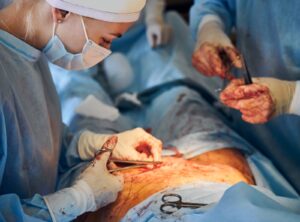
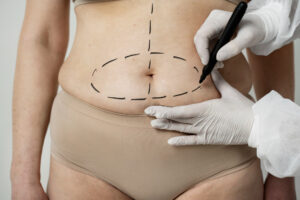
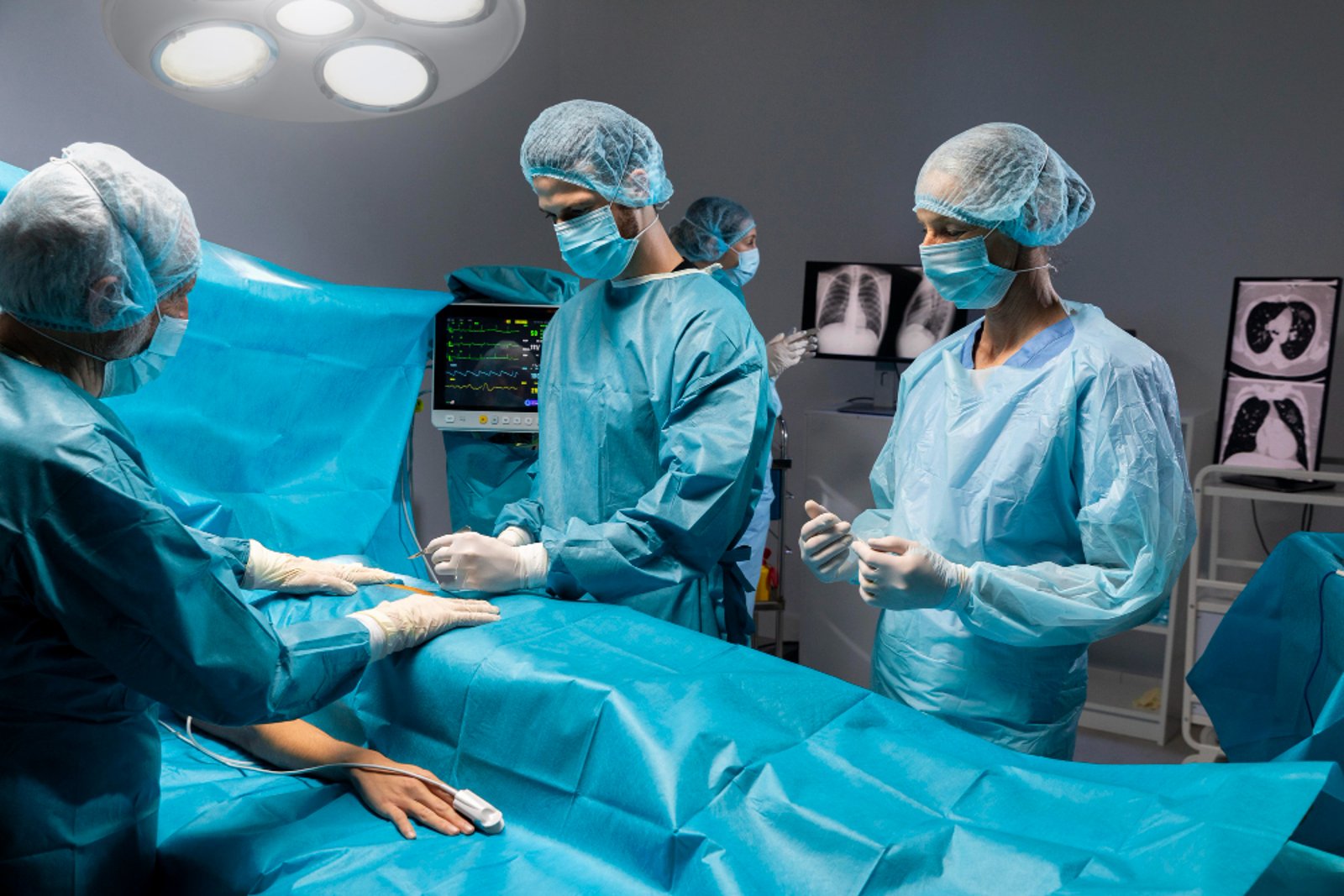
First, you will receive anesthesia to help you sleep during the surgery. Next, the surgeon makes a few small cuts in your belly. Through these, a tiny camera and special tools are inserted. Then, the surgeon wraps the upper part of your stomach around the lower end of your food pipe. This tightens the valve and helps stop acid from coming up. The surgery usually takes about two hours. Most people go home the next day.
Benefits of Laparoscopic Fundoplication
Laparoscopic Fundoplication offers several advantages over traditional surgery. For example, it is less painful and leaves smaller scars. In addition, recovery time is shorter. Other benefits include:
According to the National Institutes of Health, most patients see lasting relief from GERD symptoms after this surgery.
Risks and Possible Complications
Like any surgery, Laparoscopic Fundoplication has some risks. However, serious problems are rare. Possible complications include:
Even though these risks exist, most people recover without major issues. Your doctor will discuss these risks before surgery.
Recovery and Aftercare Tips
After surgery, you may feel sore for a few days. But, most people return to normal life within two weeks. Here are some tips for a smooth recovery:
Because everyone heals at a different pace, always check with your doctor if you have concerns.
Frequently Asked Questions
How long does fundoplication recovery take?
Most people return to work or school within two weeks. However, full healing may take up to six weeks.
Will I need to take acid reflux medicine after surgery?
Many people can stop taking medicine after Laparoscopic Fundoplication. Still, some may need it for a short time.
Is the surgery permanent?
The results often last for many years. But, in rare cases, symptoms can return and may need further treatment.
Can children have this surgery?
Yes, doctors sometimes perform Laparoscopic Fundoplication in children with severe reflux. The decision depends on each child’s needs.
Conclusion
Laparoscopic fundoplication can help manage severe or persistent acid reflux when medicines and lifestyle changes do not provide adequate relief. Understanding the procedure, potential benefits, risks, and recovery process can help patients make informed treatment decisions with their surgeon.
CTA:
For expert evaluation and personalized surgical care for acid reflux, consult Dr. Sabir today.