What Is a Pilonidal Sinus?
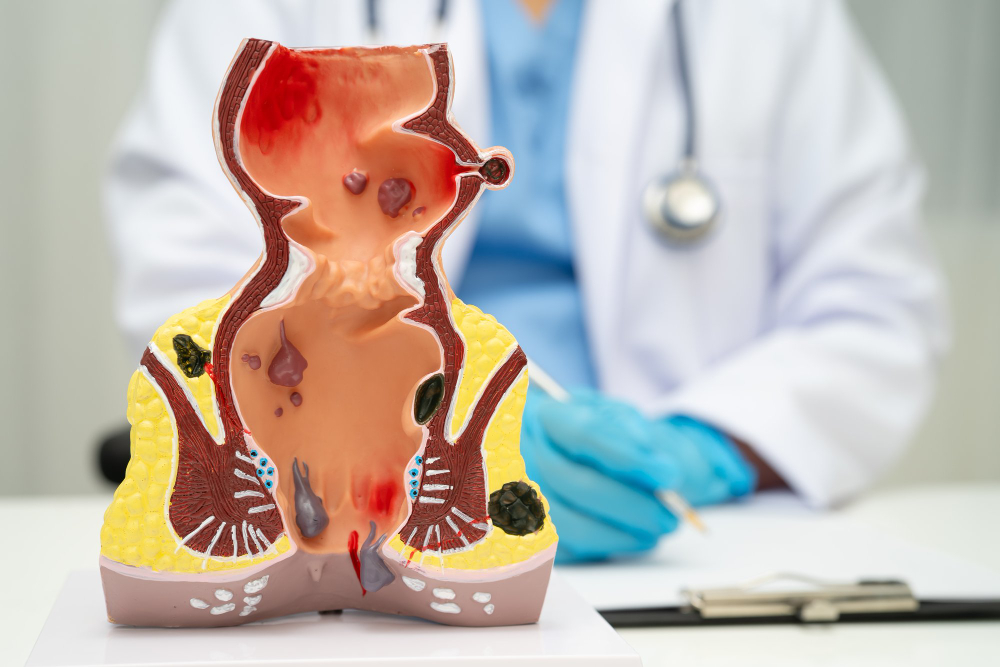
A pilonidal sinus is a small tunnel or hole in the skin, usually near the top of the buttocks. Often, it forms where hair grows and skin rubs together. Sometimes, this tunnel can trap hair, dirt, and skin debris. As a result, it may become infected or swollen. According to the World Health Organization (WHO), pilonidal sinus is more common in young adults and people who sit for long periods.
Common Symptoms of Pilonidal Sinus
At first, a pilonidal sinus may not cause any symptoms. However, as it develops, you might notice:
Sometimes, these symptoms come and go. But if pain or swelling gets worse, it may signal a need for pilonidal sinus surgery.
Causes and Risk Factors
Many factors can lead to a pilonidal sinus. For example, hair growing into the skin can cause irritation. In addition, friction from sitting or tight clothing may make it worse. The Centers for Disease Control and Prevention (CDC) notes these risk factors:
Because these factors increase risk, knowing them helps you watch for early signs.
How Pilonidal Sinus Is Diagnosed
Usually, a doctor can diagnose pilonidal sinus by looking at the area. Sometimes, they may gently press on the skin to check for pain or drainage. In rare cases, they may order an ultrasound to see if there is an abscess, which is a pocket of pus under the skin. Early diagnosis helps guide the best pilonidal cyst treatment options.
Non-Surgical Treatment Options
For mild cases, doctors may suggest non-surgical treatments. These can include:
Sometimes, a doctor may drain a small abscess in the office. However, these steps may not work if the sinus keeps coming back.
When Does a Pilonidal Sinus Need Surgery?
Not every pilonidal sinus needs surgery. Yet, there are signs pilonidal sinus needs surgery. For example, you may need to see a surgeon if:
When these signs appear, pilonidal sinus surgery may be the best option. Early surgery can help prevent more serious problems.
Types of Surgical Treatments
Doctors offer several types of pilonidal cyst treatment options. The choice depends on the size and depth of the sinus. Common surgical treatments include:
Each method has its own recovery time. Your doctor will explain which option is best for you.
Recovery and Aftercare
After pilonidal sinus surgery, proper care helps healing. For example, you may need to:
With good aftercare, most people recover well. However, healing time can vary based on the type of surgery.
Tips for Prevention and Lifestyle Guidance
While not all cases can be prevented, you can lower your risk. For instance, you can:
By following these tips, you may help prevent a pilonidal sinus from coming back. If you notice symptoms, early care can make a big difference.
Conclusion
If you have symptoms of a pilonidal sinus or need advice about treatment, Dr. Sabir is here to help. Book a consultation today to discuss your options and get the care you need.